
The outlook for the illicit market in cigarettes and tobacco products in Colombia, Ecuador and Panama is negative and concerning.
Historical context: this analysis was published in June 2023. Its figures, rankings and institutional references reflect the context at the time of publication.
In Colombia, illicit cigarettes account for one third of the market, while in Ecuador and Panama approximately eight and nine out of every ten cigarettes, respectively, are estimated to be illicit.* Smuggling is the predominant form of illicit trade in all three countries. Analysis of these figures over the preceding decade reveals an upward trend across the region.
Illicit trade in tobacco products is highly attractive because, despite being a criminal business, it offers high profits and a low risk of prosecution.
Geographical, economic, governance and transnational organized crime factors constantly expose the tobacco markets in Colombia, Ecuador and Panama to the risk of smuggling. Beyond the effects within these countries, Panama is exploited as a global platform, creating a rapidly growing threat to Latin America and the Caribbean.
Geography and trade routes
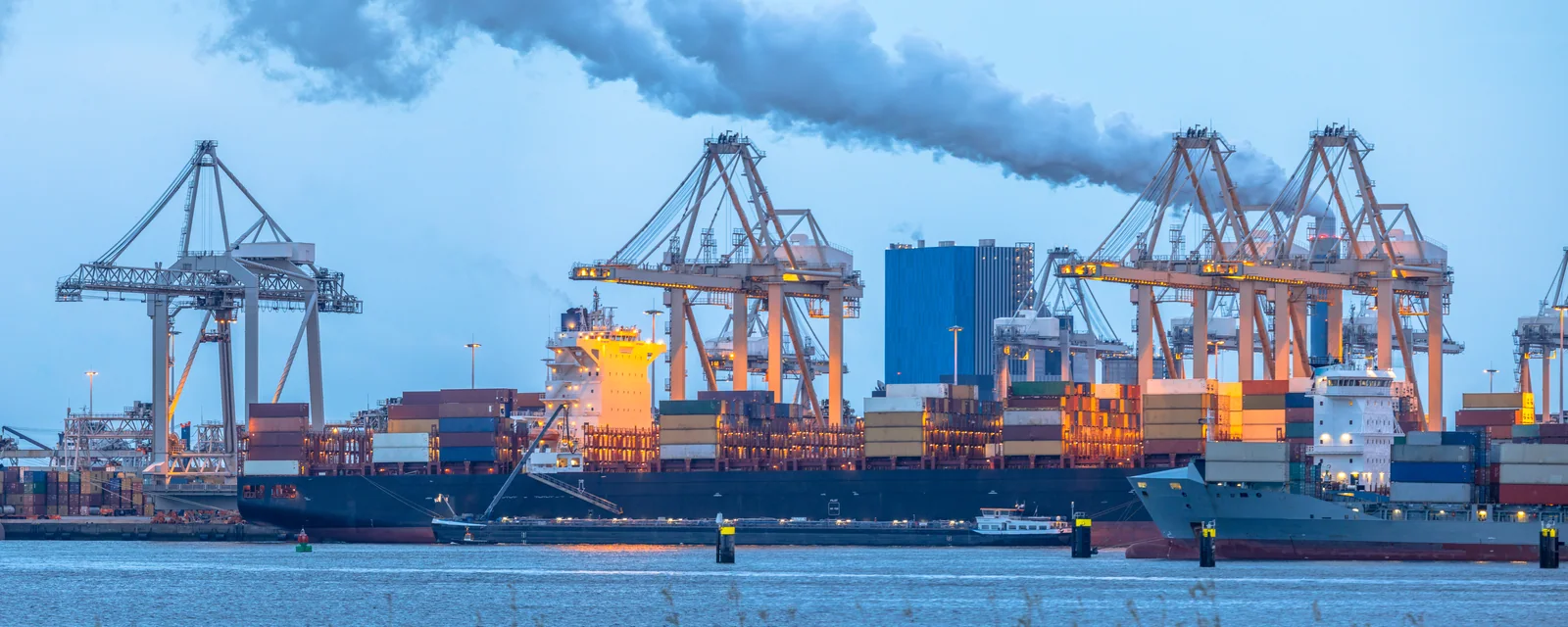
The geographical position of these countries offers clear competitive advantages for international trade, both legal and illegal, connecting the north and south of the Americas and the Eastern and Western Hemispheres. Panama is a particular focus of concern: criminal organizations have made it a strategic hub for consolidating and expanding illicit trade worldwide in all its forms. Analyses cited in this study show that around eight billion illegal cigarettes pass through Panama annually, mainly from Asia, particularly India, South Korea and China.
Free trade zones
Inadequate controls, abuse and corruption in some free trade zones in these countries also hinder the inspection, verification and control of illicit goods. Panama’s Colón Free Zone, the world’s second largest, and Colombia’s Maicao Special Customs Regime Zone are critical locations for illicit trade in tobacco products.
Criminal networks
Another enabling factor is the presence of criminal structures that establish illicit supply chains encompassing production, imports, exports, domestic distribution and sales, while also co-opting and infiltrating key government institutions. The impact of these criminal markets extends beyond the countries studied because of globalized trade. All three countries have high levels of organized crime. In the index cited in the study, Colombia ranks first in the Americas and second worldwide, after the Democratic Republic of the Congo. Panama is also a concern: despite relatively low levels of violence, it ranks fifth worst in the Americas for criminal markets in that index.
Money laundering
Money laundering is a major factor that encourages illicit trade while feeding on it. The study estimates this phenomenon at US$800 billion annually, of which US$464 billion corresponds to illicit trade in all its forms. Countries where laundering is easier generate a vicious cycle for the economy and the legality of trade. At the time of this analysis, the Financial Action Task Force (FATF) included Panama on its grey list because of strategic deficiencies in its framework for preventing money laundering and terrorist financing, including weaknesses in its banking and financial system. The region also shows a clear trend towards trade-based money laundering involving products such as tobacco.
Institutional weaknesses
Specialized criminal activity converges with institutional weaknesses that facilitate illicit trade or undermine efforts to combat it. In Colombia, the clearest deficiencies involve tax barriers, insufficient welfare policies and economic policy instruments to improve purchasing power, and shortcomings in customs verification and inspection. These factors affect both legal supply and demand. In Ecuador, weaknesses in customs verification, inspection, record keeping and information systems stand out. In Panama, weak governance in free trade zones is particularly significant. Across all three countries, corruption within government institutions, high levels of impunity and lenient penalties for those who profit from this criminal activity encourage and facilitate illicit trade.
Sources and funding
* Sources: National Federation of Departments and Invamer (2021), Incidence of Illegal Cigarettes in Colombia 2021; Invamer (2021), cited in Prensa Ecuador; NielsenIQ (2021), cited in La Estrella de Panamá.
This work was prepared as part of a project funded by PMI IMPACT, the global initiative led by Philip Morris International to combat illicit trade in all its forms. The views, interpretations and recommendations expressed here are solely those of the firm and do not necessarily reflect the views of PMI IMPACT or Philip Morris International.