
“[...] transnational organized crime is increasingly laundering money from all its criminal activities through seemingly legitimate commercial transactions (trade-based money laundering).”
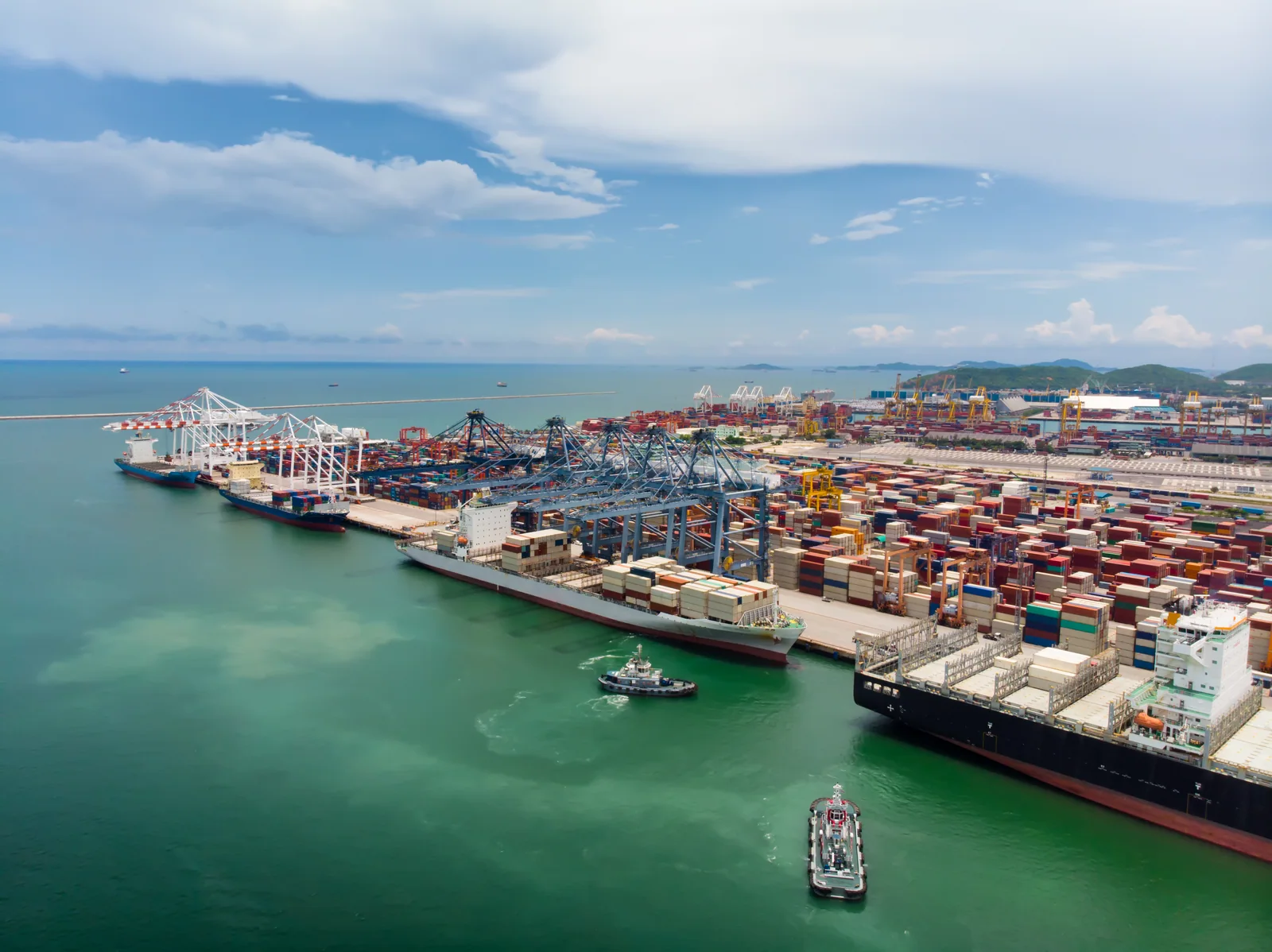
“Panama has prospered thanks to its strategic geographical position and global trade. More than 500,000 tonnes of goods pass annually through the magnificent Panama Canal, which connects the Atlantic and Pacific Oceans, representing around 6% of world maritime trade (Panama Canal Authority).”
Panama has prospered thanks to its strategic geographical position and global trade. More than 500,000 tonnes of goods pass annually through the magnificent Panama Canal, which connects the Atlantic and Pacific Oceans, representing around 6% of world maritime trade (Panama Canal Authority).
However, this position has also made Panama an epicentre of illicit trade in goods, including smuggled cigarettes, alcoholic beverages, clothing, textiles and footwear, leading to struggles among criminal groups for control of illegal imports and exports, routes and markets in the region.
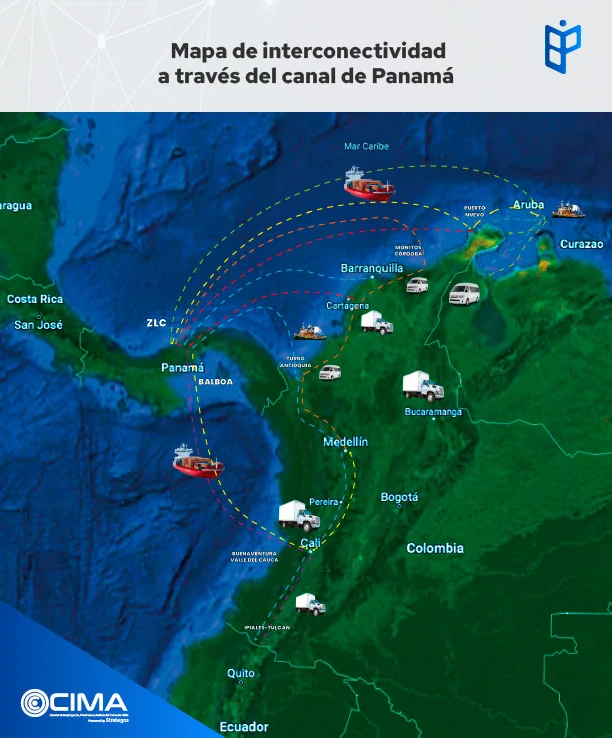
Panama’s strategic location, which has enabled the successful operation of the interoceanic canal and the establishment of numerous free trade zones, also makes it more susceptible to trade in counterfeit products (OECD/EUIPO, 2019). Free trade zones are critical locations, constantly targeted by transnational organized crime, not only for trafficking in weapons and drugs but also for control of the most important smuggling routes in Latin America and the Caribbean.
This is no minor problem, particularly when global illicit trade reaches US$864 billion annually (OECD), of which around US$150 billion corresponds to this region. Criminal activity is growing, as confirmed by the constant seizures of cigarettes and alcoholic beverages trafficked illegally through ports and clandestine crossings in the Pacific and Caribbean.
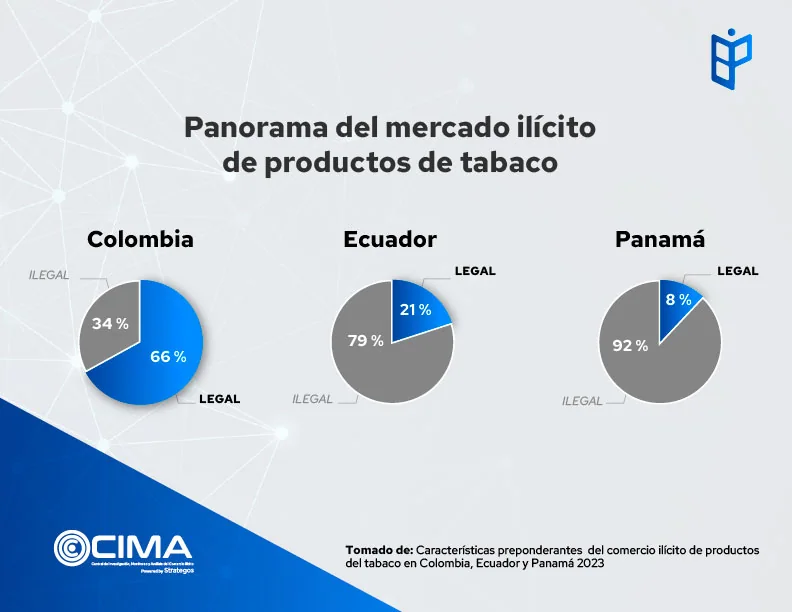
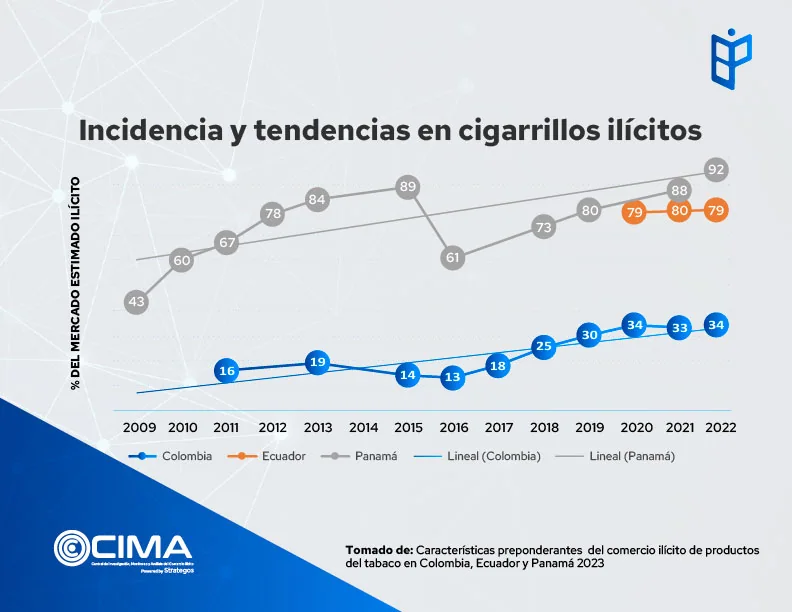
According to estimates for 2022, illegal trade in combustible cigarettes represents 92% of the market in Panama, 34% in Colombia and 79% in Ecuador (Invamer and NielsenIQ). For electronic cigarettes in Panama, the illicit share reaches 100%, because these products are prohibited. Nevertheless, consumption is alarmingly high, reaching 5% of the adult population (Povaddo). These figures are shocking.
“To tackle illicit trade in cigarettes or other products, we must understand and address it in its full scope for what it is: a criminal economic system monopolized by international criminal organizations engaging in calculated criminal activity.”
To tackle illicit trade in cigarettes or other products, we must understand and address it in its full scope for what it is: a criminal economic system monopolized by international criminal organizations engaging in calculated criminal activity. As long as these groups believe they have the capacity and opportunity to smuggle or counterfeit goods for high profits with a low risk of arrest, they will simply continue to do so.
Experience and knowledge accumulated across the region through ongoing dialogue with tax, customs, police and judicial authorities and the private sector confirm the main factors enabling illicit trade: corruption, institutional fragility, price differences between countries, weak maritime and land border controls, and the absence of balanced, appropriate regulation. Free trade zones play a major role: although they stimulate the economy, criminals abuse and exploit them as distribution centres subject to fewer government controls. Examples include altering bills of lading, unloading and repacking illicit products in warehouses, exploiting the Delivered at Terminal rule to introduce containers into national territory, and mixing legal and illegal goods as a form of concealment.
What is the economic incentive for cigarette smuggling?
“Cigarettes are particularly attractive to smugglers. High tax burdens create a wide gap between the prices of illegal and legal products, increasing the profitability and competitiveness of the illegal product.”
Cigarettes are particularly attractive to smugglers. High tax burdens create a wide gap between the prices of illegal and legal products, increasing the profitability and competitiveness of the illegal product. Take Panama, for example: in 2022, the average purchase price of an illegal pack was US$2.00, compared with US$5.00 for a legal pack. Transnational organized crime is also increasingly laundering proceeds from all its criminal activities through seemingly legitimate commercial transactions, known as trade-based money laundering. In 2020, money laundering linked to illegal cigarette trade in Panama was estimated at US$165 million annually (Presidential Veto of Bill 178).
Finally, I see major regional challenges in using law enforcement to discourage illicit cigarette trade, including low policing priority, corruption and impunity. Even though cigarette smuggling can sometimes be more profitable than drug trafficking itself, authorities do not pursue it as aggressively; efforts exist, but they are insufficient. Panama is notable for having the region’s highest threshold, and possibly the world’s, for treating smuggling as a criminal offence. Essentially, unless the smuggled goods exceed US$500,000, the consequence is an administrative penalty that reduces perpetrators’ perception of risk rather than discouraging the activity.
Retired Brigadier General.
CEO, Strategos BIP
Opinion column originally published on July 27, 2023, at:https://www.laestrella.com.pa/opinion/columnistas/230727/comercio-ilicito-cigarrillos-region-amenaza